America at 250: A Reflection on Freedom’s Unfinished Promise


As America celebrates 250 years of independence, we join millions across this nation in reflecting on our history, our progress, and our future. But for many Black people in America, this milestone brings with it a complex tapestry of emotions.
While the nation celebrates liberty and freedom, we remember that our story in this country began under very different circumstances.
Our ancestors did not come to these shores seeking opportunity. They were kidnapped from their homelands, separated from their families, stripped of their names, languages, cultures, and spiritual traditions, and forced into a system of human bondage that would last for generations. As America was establishing itself to the world as a beacon of freedom, our ancestors were systematically denied that very right.
The Weight of Endurance, The Power of Resilience
For more than 400 years, Black people have endured slavery, racial terror, segregation, disenfranchisement, economic exploitation, and state-sanctioned violence. We survived the horrors of the Middle Passage. We survived the auction block. We survived Jim Crow. We survived lynchings, exclusion, discrimination, and countless policies explicitly designed to deny us full participation in American society.
And yet, we are still here.
We are here because of the sheer, undeniable resilience of those who came before us. We stand on the shoulders of ancestors who refused to surrender their humanity, even when the law denied it. They were people who fought for a freedom they knew they might never live to see. They built families, communities, churches, schools, businesses, and movements in the face of overwhelming, generational adversity.
They left us with an enduring blueprint for survival:
They taught us that resistance is an act of love.
They taught us that dignity cannot be legislated away.
They taught us that hope is a form of power.
The Questions We Must Ask
Today, as America marks 250 years, true patriotism requires us to ask difficult, uncompromising questions:
What does freedom mean when our communities still struggle for equal access to quality education, healthcare, housing, employment, and justice?
What does citizenship mean when staggering disparities continue to exist in nearly every measurable standard of well-being?
What does independence mean for the people whose ancestors literally built this nation with their hands, yet who must continue to fight for the full realization of its promises?
These are not questions of division. They are questions of truth. A nation cannot fully heal from wounds it refuses to acknowledge, and a democracy cannot become all that it is meant to be if it remains unwilling to confront the stark realities of its past and present.
Moving from Reflection to Liberation
We cannot afford to let this 250th anniversary pass as a mere passive reflection. We honor the sacrifices of our ancestors not just with our memories, but with our momentum. The promise of America remains unfinished, which means the work of building it falls into our hands today.
Here is how we turn our history into active power:
Speak the unvarnished truth: Reject sanitized versions of history in your local schools, workplaces, and communities. Defend the teaching of our full story, because historical truth is the prerequisite for genuine racial healing.
Mobilize for systemic equity: Channel our collective frustration into policy change. Demand accountability from local and national leaders on voting rights protection, criminal justice reform, and economic investments in Black neighborhoods.
Invest in our own institutions: Intentionally support Black-owned businesses, historically Black colleges and universities (HBCUs), and grassroots community organizations that are doing the daily work of liberation on the ground.
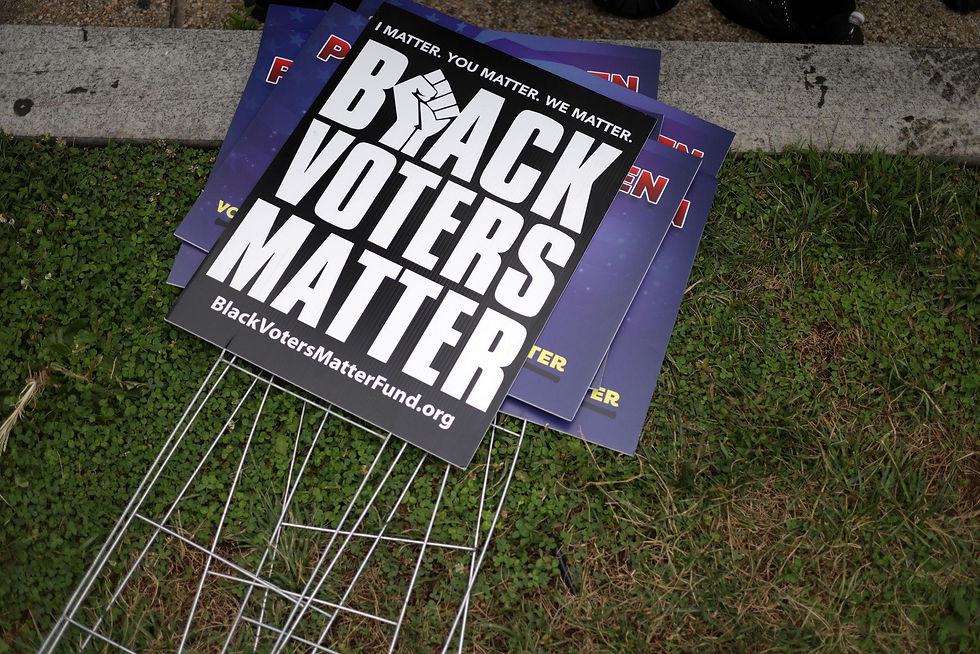
Protect and exercise the vote: Our right to vote was bought with blood. Organize your block, register your neighbors, and show up to every election, from school board to the presidency, to ensure our voices dictate our future.
The story of Black America is not just a story of pain; it is the ultimate proof of what human courage can overcome. As we look toward the next 250 years, let us commit to finishing the work our ancestors started. Let us demand nothing less than the full, unequivocal realization of freedom.


Comments